Organic acidurias
Propionic acidaemia and methylmalonic acidaemia are among the rare diseases known as intoxication disorders, in which the intoxication can be acute or chronic. They require a diet, medicines and close monitoring, organised by your reference centre.

Key points
The disease
Two enzymes are involved, which take part in breaking down four amino acids: threonine, methionine, valine and isoleucine. The block lies far down the chain: it is not these amino acids that build up, but their derivatives, propionic acid or methylmalonic acid, which are toxic mainly to the brain, but also to the heart, kidneys or liver. These derivatives come from protein in meals and from the body’s own proteins, but also from certain gut bacteria and, more rarely, from certain fatty acids that are scarce in the diet. Treatment aims to limit their production without causing deficiencies, while allowing your child to grow and develop normally.
The diet
The diet limits protein while providing enough essential amino acids for growth, and it must be rich enough in energy to curb catabolism, which is encouraged by infections, fasting or the poor appetite common in these children. Controlled foods are infant formula, preferably low in protein, sometimes certain dairy products, as well as fruit and vegetables, counted according to the system chosen by your team, in valine exchanges (one exchange is 25 mg) or in protein exchanges. Reduced-protein foods are allowed freely, and energy is often topped up with oil and maltodextrin. Depending on age and test results, an amino acid mixture free of threonine, methionine, valine and isoleucine may be prescribed, but not routinely.
Enteral nutrition
In early childhood, continuous enteral nutrition, at least overnight, is often necessary: it is given through a pump and a nasogastric tube, and sometimes through a gastrostomy. The ward nurses train you before you go home, then home nurses can help you, the aim being for you to become independent quickly. The equipment is installed in your home by a provider, who stays in touch with the care team if there are any problems. Involve your child in placing their tube: they will feel responsible for their treatment.
Medicines
L-carnitine binds to propionic acid and methylmalonic acid so that they are eliminated in the urine, and makes up for any carnitine deficiency. Antibiotics given in rotation change the gut flora, so that gut bacteria produce less propionic acid. Vitamin B12 can improve the enzyme’s activity and allow the diet to be broadened in some methylmalonic acidaemias that respond to this vitamin, and biotin (vitamin H) is sometimes offered in propionic acidaemia. These treatments are prescribed and adjusted by your doctor: do not stop them or change the doses without their advice.
Monitoring and key skills
When things are stable, the team monitors weight, height, head circumference and general condition at regular consultations, and adapts the diet according to urine tests, appetite and eating behaviour. Learn to spot the signs of imbalance: tiredness and dark circles under the eyes, apathy, nausea, vomiting, marked loss of appetite, clumsy movements, tremors, unsteady gait. Know how to do an Acetest, which detects ketones in fresh urine and signals catabolism, and, if the doctor asks, how to collect all the urine over a full day, keeping it in the fridge. Your team will give you and explain an emergency diet and a semi-emergency diet, as well as the situations in which to start them; some teams ask to be called before any change.
When to contact the team straight away
Vomiting, diarrhoea, fever whatever the cause, infections, an anaesthetic or an operation and prolonged fasting carry a risk of acute decompensation. In these situations, follow the plan your reference centre has explained to you, depending on whether or not your child has signs. If you are worried, if your child is not their usual self, particularly with digestive problems, or if they pick at their meals when their appetite is usually good, contact the centre that follows them straight away. Do not hesitate to ask for them to be admitted to hospital: admission must not come too late.
The other topics.
The basics
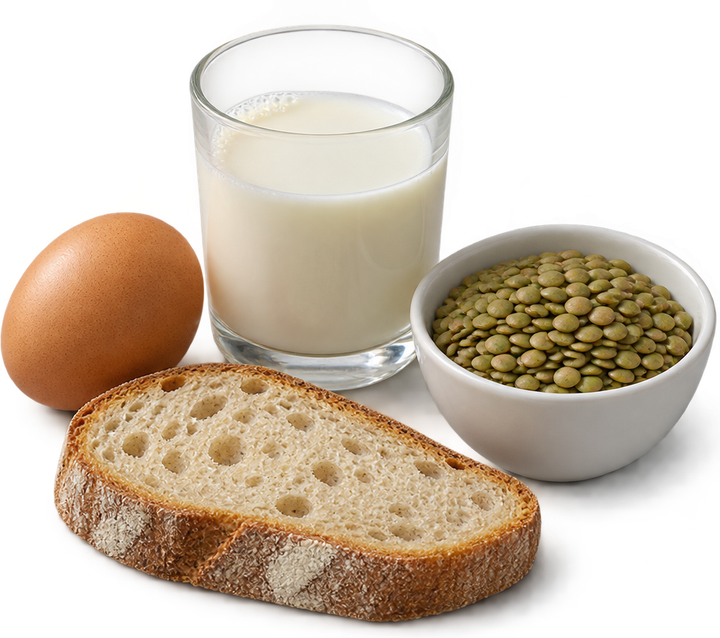
Protein and amino acids
What happens to a protein in the body, to better understand the diet.

Understanding the condition
Disorders of amino acid catabolism
An enzyme is missing: the body cannot break down certain amino acids normally.


The treatment
The principles of treatment
A diet specific to each condition, set by your medical team.

Childhood, adolescence, pregnancy
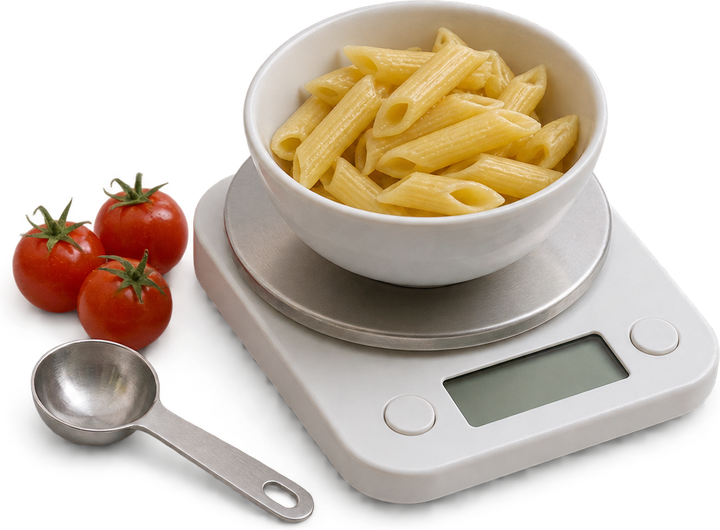
Phenylketonuria (PKU)
Your child’s diet, adolescence and pregnancy.


Risk situations
Maple syrup urine disease (MSUD)
A lifelong diet, the warning signs and what to do first.

Intake set by the team
Chronic kidney disease
Less protein, enough energy: a diet built with your team.
School, holidays, fever
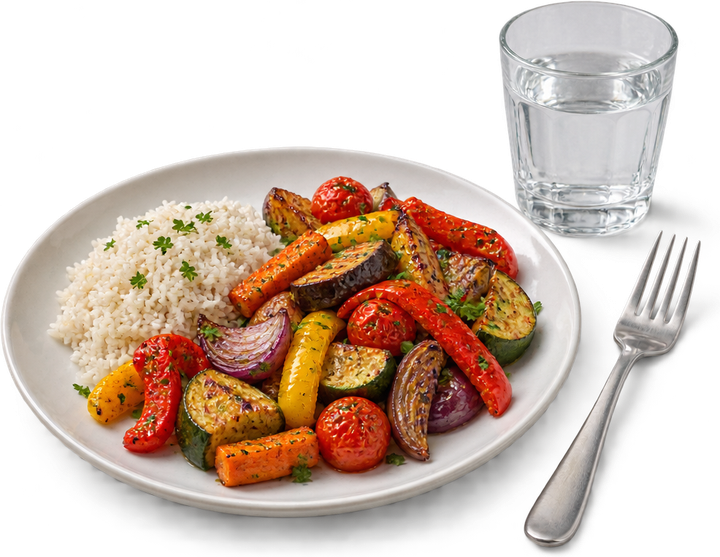
Day to day
Family meals, school, holidays, and when to call the medical team.



Taranis know-how.
Since 1979, Taranis has been creating varied, enjoyable foods designed for everyday life despite the constraints of a restricted diet under medical supervision. Its research and development team creates reduced-protein recipes whose taste and texture come close to those of ordinary products, working with specialist hospital departments, prescribers and the people who follow the diet. The products are made to precise specifications, with checks at every stage of production, and most of them are foods for special medical purposes.
Reviewed by Steeve Roland, physiotherapist, over 20 years in clinical nutrition, founder of BSNUTRITION · Updated on
Publisher: BS NUTRITION SA, Rue de l’Industrie 20, 1400 Nivelles, Belgium. Legal notice