Chronic kidney disease
At stages 3 to 5 of chronic kidney disease, a low-protein diet may be part of treatment. It is planned and monitored with your medical team.

Key points
What is it?
Chronic kidney disease is when the structure or function of the kidneys has been abnormal for more than 3 months, with consequences for health. It is identified by markers of kidney damage or by a drop in their filtration rate. Its complications can affect the whole body: cardiovascular disease, high blood pressure, anaemia, malnutrition, bone disease, neuropathy and reduced quality of life. A history of diabetes is one of the factors that increase the risk.
Why limit protein
Less protein on the plate means less urea produced and less work for the kidneys. A moderate protein intake, with little salt, can thus slow the progression of kidney disease, except when it is linked to diabetes. Before the dialysis stage, diet has a major influence on progression and complications.
Intake set by your team
For adults, the current recommendation is between 0.6 and 0.8 g of protein per kilo of body weight per day, with appropriate nutritional education and follow-up. A stricter restriction, down to 0.3 g per kilo per day, remains possible, but only with essential amino acid supplementation and under close medical supervision. Your personal intake is set by your medical team: do not cut down your protein on your own.
Keeping enough energy
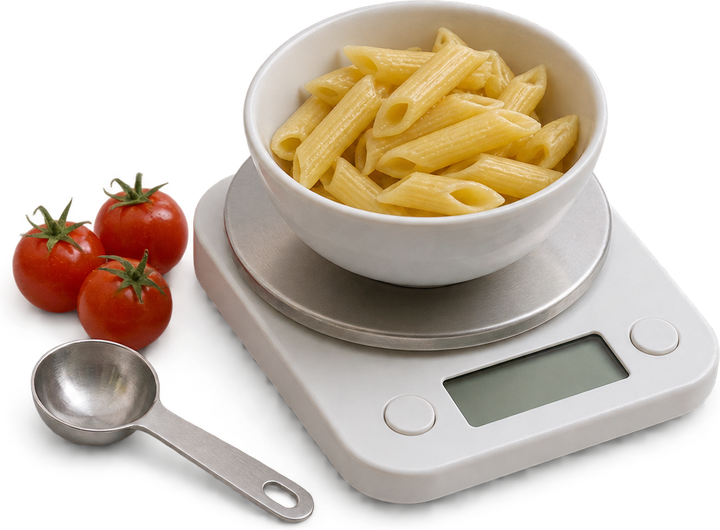
When protein is reduced, you need to check that the diet still provides enough energy: nutritional follow-up is strongly recommended. Reduced-protein foods help to build meals, as they provide calories without the elements that need to be limited, such as phosphorus. For the same amount of phosphorus, reduced-protein pasta can thus provide eight times more energy than ordinary pasta.
A diet for the long term
The eating plan is followed over the long term, and it is consistency that counts. Yet it weighs on everyday life, and an overly rigid framework makes it hard to stick to. If the diet feels too much of a burden, talk to your medical team rather than giving it up or changing it on your own.
The other topics.
The basics
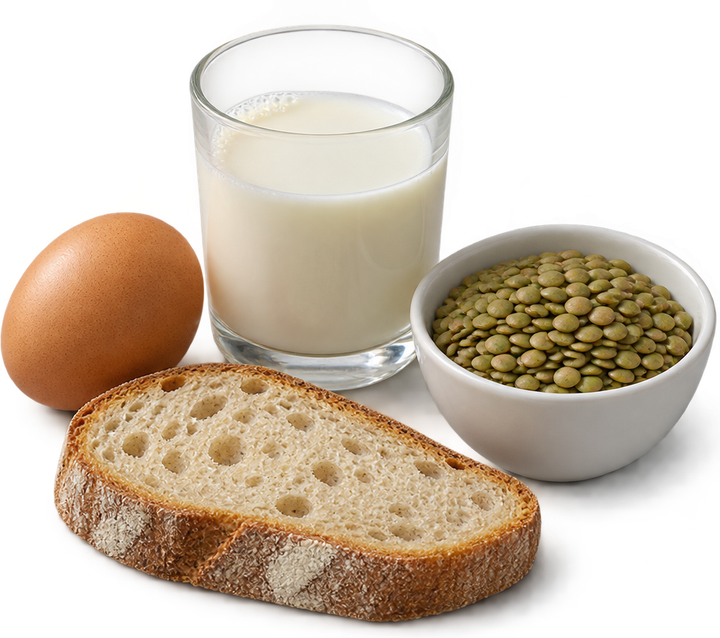
Protein and amino acids
What happens to a protein in the body, to better understand the diet.

Understanding the condition
Disorders of amino acid catabolism
An enzyme is missing: the body cannot break down certain amino acids normally.


The treatment
The principles of treatment
A diet specific to each condition, set by your medical team.

Childhood, adolescence, pregnancy
Phenylketonuria (PKU)
Your child’s diet, adolescence and pregnancy.


Risk situations
Maple syrup urine disease (MSUD)
A lifelong diet, the warning signs and what to do first.

Diet and monitoring
Organic acidurias
Diet, medication and monitoring, with your reference centre.

School, holidays, fever
Day to day
Family meals, school, holidays, and when to call the medical team.



Taranis know-how.
Since 1979, Taranis has been creating varied, enjoyable foods designed for everyday life despite the constraints of a restricted diet under medical supervision. Its research and development team creates reduced-protein recipes whose taste and texture come close to those of ordinary products, working with specialist hospital departments, prescribers and the people who follow the diet. The products are made to precise specifications, with checks at every stage of production, and most of them are foods for special medical purposes.
Reviewed by Steeve Roland, physiotherapist, over 20 years in clinical nutrition, founder of BSNUTRITION · Updated on
Publisher: BS NUTRITION SA, Rue de l’Industrie 20, 1400 Nivelles, Belgium. Legal notice