Disorders of amino acid catabolism
These genetic disorders prevent the body from breaking down one or more amino acids normally. Digestion itself works normally.

Key points
A missing enzyme
From birth, one of the enzymes responsible for breaking down an amino acid, or a small group of amino acids, does not work. This is called an enzyme block. In milder forms, the enzyme keeps some activity, but not enough: this is a partial deficiency, with what is called residual activity.
An intoxication disorder
The block acts like a dam: the substances upstream of it build up, while those that should be produced downstream run short. It is mainly the substances that build up, which become toxic at high levels, that cause the signs of the disease. Hence the name intoxication disorders.
Two main families
In aminoacidopathies, one amino acid, or a few, builds up: phenylketonuria and maple syrup urine disease are two examples. In organic acidurias, also called organic acidaemias, the toxic substance is an organic acid, a molecule formed along the way as an amino acid is broken down. Methylmalonic and propionic acidurias belong to this group.
Slow intoxication or acute crisis
Intoxication can be chronic, with signs that develop slowly, or acute, with a sudden deterioration called decompensation. The two can combine, with crises occurring against a background of slow intoxication. Phenylketonuria is the exception: it does not cause acute decompensation, only chronic intoxication.
How the disease is passed on
These disorders are inherited and autosomal recessive: the affected child has received an altered gene from each of their two parents. The parents, who carry this change on only one chromosome, show no signs of the disease: they are known as healthy carriers. For each pregnancy of this couple, the chance that the child will be affected is one in four. In rare cases, the change arose spontaneously in the child and only one parent carries it.
A lifelong disease, but treatable
These rare diseases are present from birth and stay with the person for life: there is no cure for them today. They are, however, treated with a specific diet, sometimes combined with medicines, which must be followed without a break. Understanding it well helps you apply it every day and explain it early to your child, so that they gradually become independent.
The other topics.
The basics
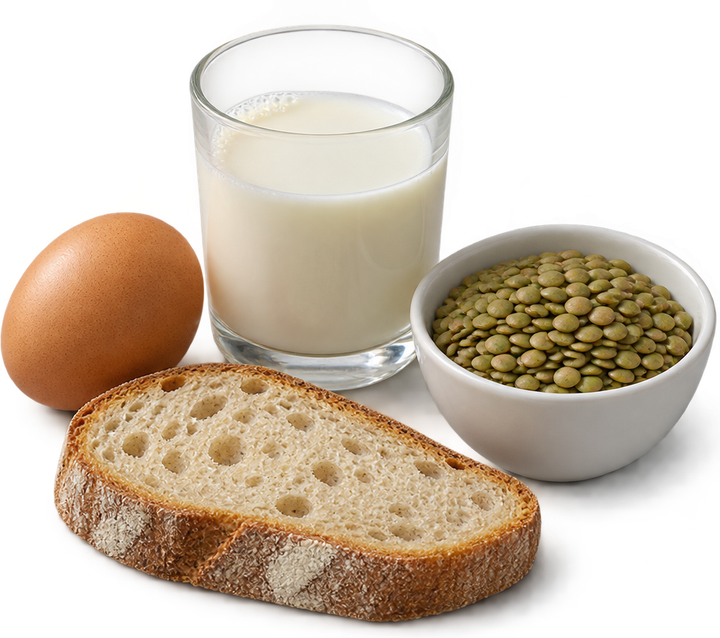
Protein and amino acids
What happens to a protein in the body, to better understand the diet.
The treatment
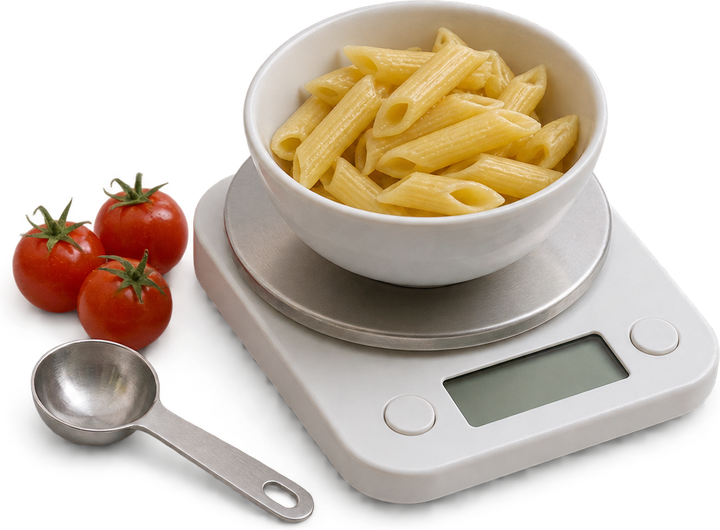
The principles of treatment
A diet specific to each condition, set by your medical team.
Childhood, adolescence, pregnancy
Phenylketonuria (PKU)
Your child’s diet, adolescence and pregnancy.


Risk situations
Maple syrup urine disease (MSUD)
A lifelong diet, the warning signs and what to do first.
Diet and monitoring
Organic acidurias
Diet, medication and monitoring, with your reference centre.

Intake set by the team
Chronic kidney disease
Less protein, enough energy: a diet built with your team.
School, holidays, fever
Day to day
Family meals, school, holidays, and when to call the medical team.



Taranis know-how.
Since 1979, Taranis has been creating varied, enjoyable foods designed for everyday life despite the constraints of a restricted diet under medical supervision. Its research and development team creates reduced-protein recipes whose taste and texture come close to those of ordinary products, working with specialist hospital departments, prescribers and the people who follow the diet. The products are made to precise specifications, with checks at every stage of production, and most of them are foods for special medical purposes.
Reviewed by Steeve Roland, physiotherapist, over 20 years in clinical nutrition, founder of BSNUTRITION · Updated on
Publisher: BS NUTRITION SA, Rue de l’Industrie 20, 1400 Nivelles, Belgium. Legal notice