Maple syrup urine disease (MSUD)
Maple syrup urine disease (MSUD), also called leucinosis, is an inherited autosomal recessive disease. Its diet is followed for life and calls for particular vigilance, as acute crises can occur.

Key points
The disease
Three amino acids known as branched-chain amino acids, leucine, valine and isoleucine, cannot be broken down, because the enzyme for the second step of their breakdown, common to all three, is missing. They build up, along with the corresponding keto acids, in the blood, urine and tissues, and it is mainly leucine that is toxic. In the classic form, the most common one, signs appear in the first week: impaired consciousness, refusal to drink, neurological signs, then, without treatment, rapid progression to coma and urine that smells of maple syrup. Later-onset or intermittent forms exist, and in exceptional cases some respond to vitamin B1 (thiamine).
The diet
The diet is calculated on leucine, which at the same time limits valine and isoleucine: a controlled amount of infant formula provides them at first, then, from the introduction of solid foods at around 4 to 6 months, fruit and vegetables counted in leucine exchanges (one exchange is 50 mg). Forbidden foods contain far too much: a single yoghurt already exceeds what a child with a severe neonatal form can tolerate in a whole day. An amino acid mixture free of leucine, valine and isoleucine, to be taken in full every day and in several doses, provides the other essential amino acids; valine or isoleucine capsules are sometimes added if tests show a shortfall. Reduced-protein foods top up energy and can be eaten freely, as they provide no toxic amino acids.
Situations with a risk of crisis
Acute decompensation can occur as soon as blood leucine rises above a certain threshold. Be particularly watchful in case of fever, a cold, nasopharyngitis, bronchitis, ear infection, teething, vomiting or diarrhoea, loss of appetite or fasting, a mistake or lapse in the diet, refusal of the mixture, failure to gain weight or weight loss. Vaccinations, a general anaesthetic or an operation, an accident or injury, a prolonged lack of leucine and a lack of valine or isoleucine are also risk situations. Finally, a crisis can be triggered for no obvious reason.
Warning signs
In babies, the first signs are feeding difficulties, vomiting and a floppy, drowsy baby who tires quickly. Later, the child may have clumsy movements and an unsteady walk, as if drunk, have mood changes, seem drowsy or, on the contrary, agitated. At school, they may slur their words, have trouble writing, reverse letters or leave out words in dictation, or seem unusually nauseous and off their food.
First steps to take
If your child shows any of these signs or is in a risk situation, do a urine ketone test (Acetest), which reveals any catabolism, see your doctor to look for an infection and have leucine, valine and isoleucine measured urgently in the blood. If the signs are mild and appetite is preserved, for example after a vaccination or during a slight, well-tolerated fever, apply the semi-emergency diet, if your centre has prescribed one for you. In case of a higher fever or illness, the prescribed emergency diet reduces or stops natural protein and increases energy with sugars, fats and reduced-protein foods, in small, frequent meals, while the amino acid mixture is continued. In all cases, call your metabolic disease reference centre straight away: the centre decides how long the emergency diet lasts, and it must not exceed 3 to 4 days or be repeated at home without medical advice, as it would slow growth.
When to go to hospital
If the signs persist or worsen despite these measures, with vomiting, impaired consciousness or total refusal to eat, take your child to hospital immediately: decompensation treated too late can have serious consequences. Continuous enteral nutrition through a nasogastric tube may be started there, and sometimes a drip if the vomiting does not stop. Always keep the tube-feeding emergency diet with your documents, updated for your child’s age. A hospital near your home may not have the necessary products: bring the amino acid mixture, the other products and the written recipe for your child’s emergency diet.
The other topics.
The basics
Protein and amino acids
What happens to a protein in the body, to better understand the diet.

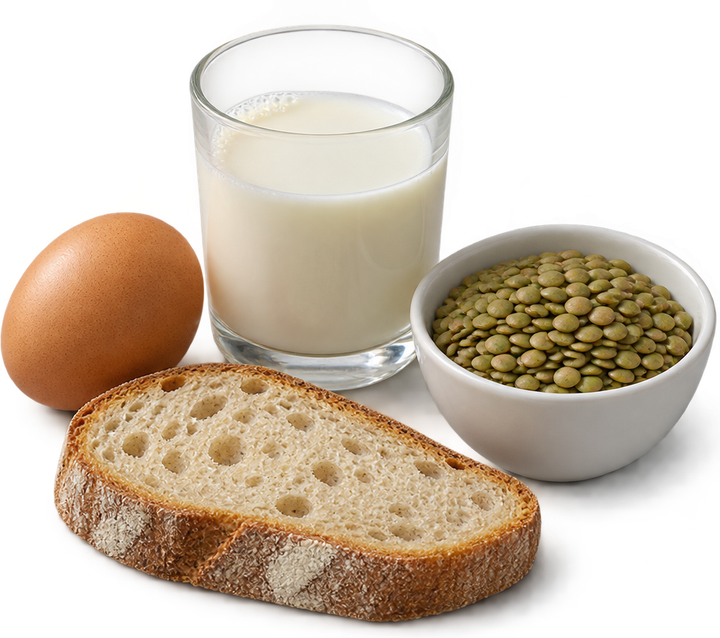
Understanding the condition
Disorders of amino acid catabolism
An enzyme is missing: the body cannot break down certain amino acids normally.


The treatment
The principles of treatment
A diet specific to each condition, set by your medical team.

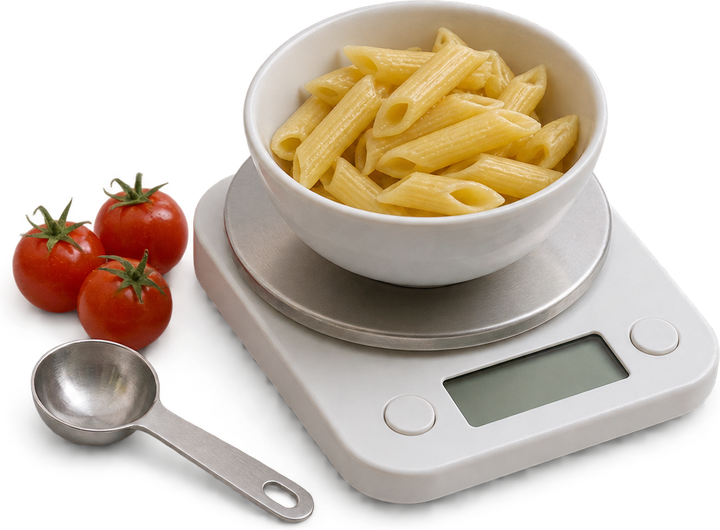
Childhood, adolescence, pregnancy
Phenylketonuria (PKU)
Your child’s diet, adolescence and pregnancy.

Diet and monitoring
Organic acidurias
Diet, medication and monitoring, with your reference centre.

Intake set by the team
Chronic kidney disease
Less protein, enough energy: a diet built with your team.
School, holidays, fever
Day to day
Family meals, school, holidays, and when to call the medical team.



Taranis know-how.
Since 1979, Taranis has been creating varied, enjoyable foods designed for everyday life despite the constraints of a restricted diet under medical supervision. Its research and development team creates reduced-protein recipes whose taste and texture come close to those of ordinary products, working with specialist hospital departments, prescribers and the people who follow the diet. The products are made to precise specifications, with checks at every stage of production, and most of them are foods for special medical purposes.
Reviewed by Steeve Roland, physiotherapist, over 20 years in clinical nutrition, founder of BSNUTRITION · Updated on
Publisher: BS NUTRITION SA, Rue de l’Industrie 20, 1400 Nivelles, Belgium. Legal notice