The principles of treatment
Treatment relies mainly on a diet specific to each disease, sometimes combined with medicines. The amounts are set by your medical team: never change the diet without their advice.

Key points
The goals
Whatever the disease, treatment aims for your child to grow normally in weight, height and head circumference, with good nutritional status. It also aims for normal psychomotor development and stable metabolic balance over time. Finally, it seeks to prevent acute decompensation (phenylketonuria does not cause it) by avoiding any period when the body breaks down its own proteins.
Restricting, never eliminating
The diet greatly reduces dietary protein to prevent intoxication, but it never eliminates it. Natural foods must provide the small amount of the monitored amino acid that the body needs to grow and renew its proteins, and which it cannot make itself. With no protein at all, deficiencies would develop and growth would be compromised.
Three categories of food
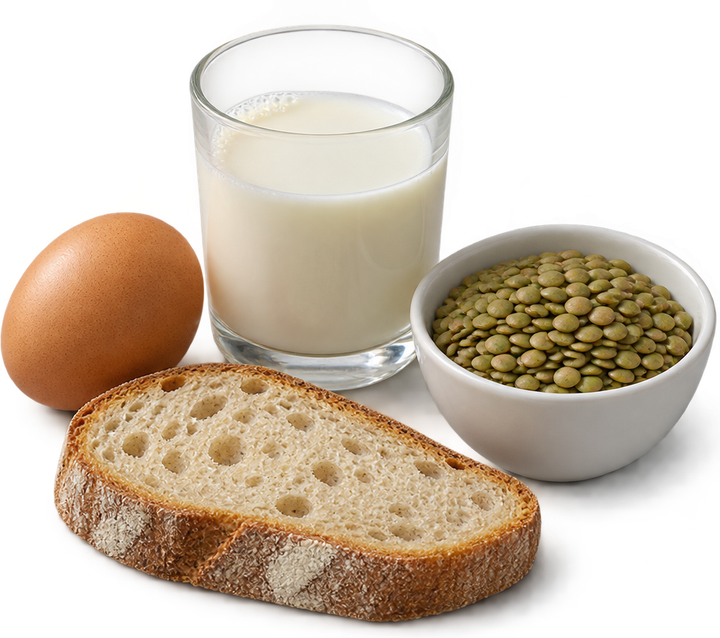
Forbidden foods are high in protein: most animal products (meat, fish, eggs, milk and dairy products) and some plant foods such as cereals, bread or cakes. Some may nevertheless be allowed in controlled amounts, for example milk during the first months or in milder forms. Controlled foods, mainly fruit and vegetables, potatoes included, are weighed and counted in “exchanges”: in phenylketonuria, one exchange is by convention 20 mg of phenylalanine, whereas for the other diseases the system varies from one team to another. Foods allowed freely contain almost no protein and provide energy through sugars and fats.
The amino acid mixture
By limiting protein, the diet also limits the other essential amino acids, which could slow growth. An amino acid mixture, in powder or liquid form, makes up for this shortfall: it contains the essential amino acids except the one or ones that are toxic, and usually provides vitamins, minerals and trace elements. It is taken every day, for life, as prescribed; for some diseases, its use is decided case by case.
Reduced-protein foods
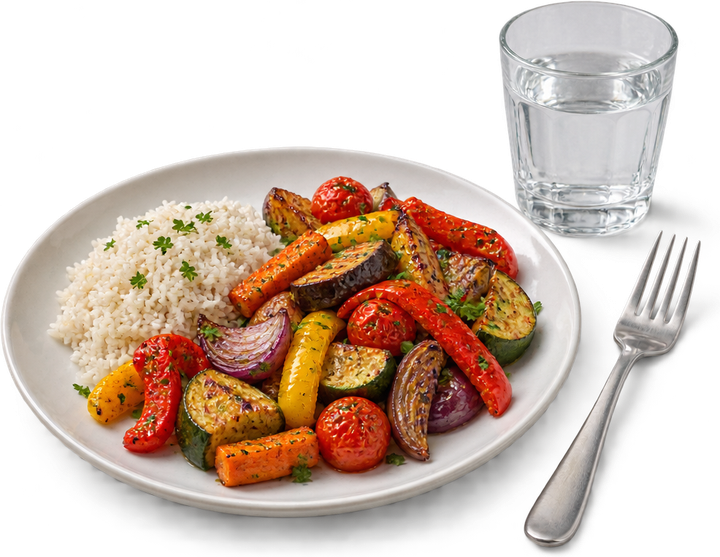
Special foods with almost no protein replace those that contain too much: pasta, rice, bread, flour, biscuits, a drink that replaces milk, egg or cheese substitutes, spread. They provide the energy that would otherwise be lacking and make it possible to put together menus that look like ordinary ones. Introduced gradually, they help to vary meals, and this variety makes the diet easier to accept in the long term. In the end, the diet looks like a vegan diet of weighed fruit and vegetables, completed by these foods and, depending on the disease, by an amino acid mixture.
Medicines and follow-up
In some forms, medicines are added to the diet: cofactors, often vitamins, stimulate the deficient enzyme (BH4 in phenylketonuria, or vitamin B12 in some methylmalonic acidurias), and scavengers such as carnitine help to eliminate toxic substances. They are only really effective in a few rare forms. Follow-up relies on regular consultations and blood or urine tests, within a specialist team. The doctor coordinates care, the dietitian trains you in the diet and adapts it to the results, and the psychologist, social worker or geneticist support you as needed.
The other topics.
The basics
Protein and amino acids
What happens to a protein in the body, to better understand the diet.

Understanding the condition
Disorders of amino acid catabolism
An enzyme is missing: the body cannot break down certain amino acids normally.


Childhood, adolescence, pregnancy
Phenylketonuria (PKU)
Your child’s diet, adolescence and pregnancy.


Risk situations
Maple syrup urine disease (MSUD)
A lifelong diet, the warning signs and what to do first.

Diet and monitoring
Organic acidurias
Diet, medication and monitoring, with your reference centre.


Intake set by the team
Chronic kidney disease
Less protein, enough energy: a diet built with your team.
School, holidays, fever
Day to day
Family meals, school, holidays, and when to call the medical team.



Taranis know-how.
Since 1979, Taranis has been creating varied, enjoyable foods designed for everyday life despite the constraints of a restricted diet under medical supervision. Its research and development team creates reduced-protein recipes whose taste and texture come close to those of ordinary products, working with specialist hospital departments, prescribers and the people who follow the diet. The products are made to precise specifications, with checks at every stage of production, and most of them are foods for special medical purposes.
Reviewed by Steeve Roland, physiotherapist, over 20 years in clinical nutrition, founder of BSNUTRITION · Updated on
Publisher: BS NUTRITION SA, Rue de l’Industrie 20, 1400 Nivelles, Belgium. Legal notice